Tracking the information about your manuscript
Communicate with the editorial office
Query manuscript payment status Editor WorkspaceCollecting, editing, reviewing and other affairs offices
Managing manuscripts
Managing author information and external review Expert Information Reviewer WorkspaceOnline Review
Online Communication with the Editorial Department
Relevant Specifications
Peer Review System of Journal of Shandong Jiaotong University
Open Access Statement of Journal of Shandong Jiaotong University
Publication Ethics Statement of Journal of Shandong Jiaotong University
Payment and Collection Policy of Journal of Shandong Jiaotong University
Work Procedures of Journal of Shandong Jiaotong University
more..Links
Digital Publishing
Journal Information
Journal Name: Journal of Shandong Jiaotong University
Established Year: 1993
Competent Authority: Department of Education of Shandong Province
Sponsor Institution: Shandong Jiaotong University
Publication Frequency: Bimonthly
CN: 37-1398/U
ISSN: 1672-0032
Influence mechanism of electric bicycles on motor vehicle operation based on an improved social force model
WANG Xinchun;ZHANG Mengmeng;ZHANG Jie;YANG Liping;GUO Yajuan;MA Xiaolong;To accurately characterize the driving disturbance of electric bicycles on motor vehicles on mixed non-motorized and motorized roads, this study acquires high-precision traffic video data on urban roads using an unmanned aerial vehicle. Spatial characteristic parameters such as vehicle spacing, relative position angle, and trajectory offset, as well as temporal characteristic parameters including relative speed and acceleration, are extracted. Based on the traditional social force model, a heterogeneous interference force term for electric bicycle-vehicle interaction is introduced to construct an improved social force model suitable for mixed traffic scenarios, quantifying the driving disturbance effect of electric bicycle incursion on motor vehicles. The particle swarm optimization(PSO) algorithm is employed to calibrate the model parameters. Results show that during the electric bicycle-vehicle interference process, the vehicle spacing between the motor vehicle and the electric bicycle exhibits a dynamic approach-interaction-separation pattern, with an average minimum spacing of approximately 5.2 m. The speed of motor vehicles fluctuates significantly, with an average reduction of approximately 1.8 m/s, while the speed fluctuation of electric bicycles is relatively small. The improved social force model effectively reproduces the acceleration evolution of motor vehicles during the electric bicycle-vehicle interaction. Compared with the traditional social force model, the root mean square error and mean absolute error are reduced by 43.65% and 48.06%, respectively, and the coefficient of determination R2 increases to 0.912 6, indicating significantly improved prediction accuracy. The acceleration prediction residuals of the improved social force model approximately follow a normal distribution with the residual mean close to zero; only 8.0% of the samples have residual absolute values greater than 0.50 m/s2. The residual-fitted value scatter plot shows no systematic bias. The scatter plot of predicted versus measured accelerations demonstrates good agreement between predictions and measurements, with low overall dispersion, indicating good applicability and stability of the model.
Driving risk assessment of electric bicycles in intersection entrance areas based on the CRITIC method
LIU Zheng;ZHANG Mengmeng;ZHANG Jie;MA Xiaolong;YANG Liping;To analyze the driving risk of electric bicycles in intersection entrance areas of urban roads, unmanned aerial vehicles are used to collect traffic videos of entrance areas at intersections in a Chinese city, from which electric bicycle driving conflict data are extracted. Targets in the videos are identified and tracked by combining the YOLOv8 object detection algorithm with the DeepSORT tracking algorithm, and traffic flow parameters are obtained accordingly. A driving risk evaluation index system is established, consisting of three indicators: post encroachment time(PET), electric-vehicle time to collision(EVTTC), which integrates lateral and longitudinal conflicts, and the coefficient of speed variation(CSV). The CRITIC(criteria importance through intercriteria correlation) objective weighting method is adopted to determine the weights of each indicator, and a driving risk index(DRI) model for electric bicycles is constructed to assess the driving risk in intersection entrance areas. The results show that when the density is 0.03-0.04 vehicles/m2, the flow rate is 400-600 vehicles/(h·m), and the speed is 4-7 m/s, the driving risk index increases significantly. Under the same flow rate, the greater the dispersion in speed distribution, the higher the driving risk index. The model validation results demonstrate that, compared with the traditional TTC model, the DRI model achieves improvements in precision from 84.2% to 96.4%, in recall from 56.1% to 71.1%, and in F1-score from 67.4% to 81.8% for high-risk identification tasks, exhibiting superior performance in both accuracy and stability of traffic risk identification.
Cooperative mechanism of the farmer-supermarket docking supply chain based on evolutionary game theory
GAO Xinyu;YAO Jiachen;LIU Huaqiong;To address the problems of uneven benefit distribution and unstable cooperation among participants in the farmer-supermarket docking model, an evolutionary game model involving government, cooperatives, and supermarkets is constructed by introducing the government as a regulatory actor, based on evolutionary game theory, in order to explore the factors influencing strategy choices of each game player. Taking the farmer-supermarket docking industry of Zhanhua winter jujube in Binzhou City, Shandong Province as the research context, numerical simulations are conducted to analyze the mechanisms through which the risk coefficient, subsidy coefficient, penalty amount, active guidance cost, passive guidance cost, and social benefits affect the evolutionary trends and sensitivity of each party′s strategies. The numerical simulation results show that when the risk coefficient increases, both cooperatives and supermarkets evolve toward the non-cooperation strategy, and supermarkets do so at a faster rate; as the government subsidy coefficient rises, cooperatives and supermarkets evolve toward the cooperation strategy at an accelerating rate, while the evolution rate of the government toward the active guidance strategy gradually slows down; when the subsidy coefficient and penalty amount increase simultaneously, the evolution rate of cooperatives and supermarkets toward the cooperation strategy can be significantly enhanced; as the government′s active guidance cost increases, the government gradually shifts from an active guidance strategy to a passive guidance strategy; the passive guidance cost does not change the direction of the government′s strategy evolution, but only affects the convergence rate toward the active guidance strategy, the higher the passive guidance cost, the faster the government evolves toward the active guidance strategy; when social benefits are relatively low, the government tends to adopt a passive guidance strategy, while with increasing social benefits, the government evolves toward the active guidance strategy, and the evolution rate continues to rise. It is therefore necessary to reasonably set the ranges of government subsidies and penalties, strictly control the operating costs of policy guidance, and improve the benefit-sharing and risk-sharing mechanisms within the farmer-supermarket docking model. By relying on appropriate government supervision and policy incentives, the tripartite strategic equilibrium can be maintained, thus supporting the long-term stable development of the farmer-supermarket docking supply chain.
Static measurement and dynamic evolution of green logistics efficiency in eastern China from a low-carbon perspective
ZHANG Yi;LIU Hongzhi;LIU Huaqiong;To promote high-quality green development of the logistics industry in eastern China, panel data from ten provinces and municipalities in the eastern region from 2011 to 2022 are used as the research sample. A super-efficiency slacks-based measure(SBM) model incorporating undesirable outputs is constructed to measure the level of green logistics efficiency in each province and municipality. The global Malmquist-Luenberger(GML) index is then employed to analyze the temporal dynamic evolution of green logistics efficiency. The results show that from 2011 to 2022, the average green logistics efficiency in eastern China did not reach DEA effectiveness, and exhibited a fluctuating evolutionary pattern of first declining and then rising, indicating substantial room for improvement in the level of green logistics development. There are significant interprovincial differences in green logistics efficiency, with the rankings from high to low being Hebei, Shanghai, Jiangsu, Zhejiang, Shandong, Hainan, Guangdong, Tianjin, Fujian, and Beijing. From 2011 to 2022, the GML index in the eastern region showed a fluctuating upward trend, and technological progress has been the core driver of improvements in low-carbon logistics efficiency. In the future, green logistics policies should be leveraged to empower technological innovation, optimize the allocation of factor resources, accelerate the green and low-carbon transformation of logistics, and promote coordinated and balanced development of green logistics in eastern China.
Location and capacity determination of mobile precooling pools based on distributed storage
YAO Jiachen;GAO Xinyu;LIU Huaqiong;To address problems in the traditional precooling mode for fresh agricultural products, such as dispersed layout of precooling facilities, low resource utilization, and mismatched supply and demand, this study proposes a mobile precooling pool mode based on distributed storage. In this mode, standardized containerized precooling units serve as functional carriers to form a distributed precooling resource pool characterized by centralized and shared resources as well as flexible scheduling. Focusing on the location, number, and capacity configuration of mobile precooling pools, a coordinated optimization model for mobile precooling pool location and capacity is constructed with the objective of minimizing construction cost, operating cost, transportation cost, and loss cost of fresh agricultural products. A genetic algorithm is used for model solving. Taking the cold chain logistics network for fresh agricultural products in Yantai City as an example, the layout scheme of mobile precooling pools is obtained and sensitivity analysis is conducted on key model parameters. The results show that a total of 33 mobile precooling pools are planned in the study area. The overall layout aligns with the distribution of major production areas of fresh agricultural products and is adjacent to trunk traffic networks, ensuring good logistics accessibility. Among them, seven large mobile precooling pools are located in the core areas of each district or county, twelve medium mobile precooling pools are arranged at secondary traffic nodes, and fourteen small mobile precooling pools are located in relatively remote areas with concentrated production of specialty fresh agricultural products. When the loss intensity ratio of fresh agricultural products is smaller, losses during the ambient waiting-to-be-precooled stage at the origin are larger, and the model tends to deploy medium mobile precooling pools in a more dispersed manner to shorten the ambient retention time and reduce postharvest losses. When the gradient difference coefficient of fixed construction cost is smaller, the cost gap between small and medium precooling pools decreases while that between medium and large precooling pools increases, and the model prioritizes the deployment of medium mobile precooling pools. When the capacity decrement coefficient of unit variable construction cost is larger, the marginal cost of large mobile precooling decreases, and the model prioritizes the deployment of medium and large mobile precooling pools to achieve centralized and coordinated allocation of precooling resources. Through dynamic scheduling and hierarchical resource pool planning, the distributed mobile precooling mode provides an innovative path for intensive and refined layout of cold chain resources in the “first kilometer” of fresh agricultural products.























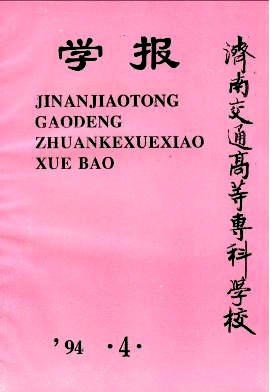
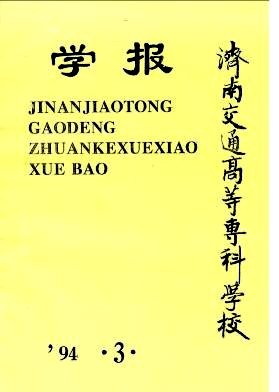
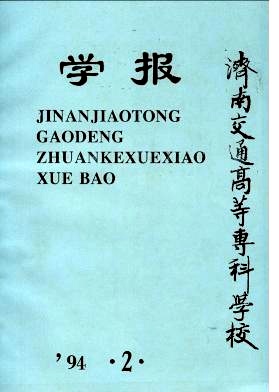
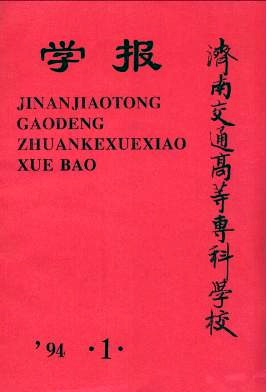
Adaptive control for ship trajectory tracking based on finite-time control
Sun Guangpeng;Zhang Junhao;Ding Zhongyu;To meet the requirement for synchronized tracking of planar position and heading in fully actuated vessels maneuvering at low speeds in port areas, this study investigates adaptive finite-time control under wind, wave, and current disturbances and hydrodynamic parameter uncertainty. Fully actuated vessels can be directly controlled in surge, sway, and yaw; however, their three-degree-of-freedom motion remains coupled through the rotation matrix, Coriolis terms, and damping terms. The controller must therefore coordinate the control inputs while compensating for unknown disturbances. Starting from a three-degree-of-freedom horizontal-plane model, unmodeled hydrodynamics, parameter deviations, and external disturbances are grouped into a bounded uncertainty term. Backstepping is used to construct position and velocity errors. An adaptive law estimates the uncertainty bound, and finite-time error-feedback terms are incorporated into the control law. Lyapunov analysis shows that, under the stated assumptions, the closed-loop tracking errors remain bounded and converge to a neighborhood of zero in finite time. Circular-trajectory simulations using the fully actuated CyberShip II model show that the controller achieves the main reduction in tracking errors within 0–200 s. Steady-state position error remains below 0.02 m, and heading error below 0.04 rad. The control inputs are continuous, with no pronounced high-frequency chattering. The method does not rely on precise identification of hydrodynamic parameters and introduces neither neural networks nor high-order disturbance observers, making it suitable for preliminary controller design and numerical validation of trajectory tracking for fully actuated vessels operating at low speeds in port areas.
[Downloads: 6 ] [Citations: 0 ] [Reads: 5 ] HTML PDF Cite this article
Parametric optimization and simulation analysis of precast,heightened concrete barriers under crash impact
Yan Chengxin;Cao Hongbin;Huang Xinyi;Yu Chunhua;Gao Sheng;Chen Lingjie;To upgrade the protection level of in-service highway barriers, this paper proposes a novel precast concrete barrier heightening scheme. Full-scale vehicle crash tests and LS-DYNA numerical simulations were conducted under three typical vehicle conditions(passenger car, large bus, heavy truck) to verify the SS-level protection performance and carry out parameter optimization analysis.Based on the validated vehicle-barrier coupling model, the effects of collision position, precast block strength and longitudinal connection mode on protection performance were analyzed under large bus collision scenarios. The results show that this retrofitting method for prefabricated assembled guardrails complies with the SS-class protection rating. The most unfavorable impact point in the proposed guardrail structure is identified as position No.5. The concrete strength of precast blocks exerts a limited effect on improving the protection class of the guardrail, and the adoption of C30 or C40 concrete can achieve both cost saving and structural safety. All three types of longitudinal connection configurations meet the SS-class protection requirements. The non-connection scheme delivers the optimal performance in vehicle attitude control, and its guardrail deformation shows no significant difference from that of the other two connection forms. Overall, the non-connection retrofitting scheme integrates advantages of rapid construction, minor traffic interference and convenient maintenance, which is applicable to rapid guardrail retrofitting projects on arterial highways.
[Downloads: 9 ] [Citations: 0 ] [Reads: 7 ] HTML PDF Cite this article
Analysis of causal factors of hazardous chemicals road transportation accidents based on 24Model and logistic regression
Wei Zihao;Zhu Xiwang;Ji Maoqi;Wang Jianhao;To accurately identify key causal factors of hazardous chemicals road transportation accidents and effectively prevent and control fatality risks, 110 cases of hazardous chemicals road transportation accidents in China from 2010 to 2024 are selected. Based on the accident causation "2–4" model(24 Model), causal factors are identified, and a binary logistic regression model is employed to quantitatively analyze each causal factor and explore its effects on accident fatal consequences. The results show that nine factors, including poor physiological safety, transportation container defects, illegal driving operations, road environmental factors,insufficient safety knowledge, organizational structure disorder, missing procedural documents, loading and transportation risks, and lack of post-accident emergency response, exert significant positive effects on fatality risks. Among them, poor physiological safety and transportation container defects have the greatest influence,with odds ratios of 99.394 and 24.748, respectively. The constructed binary logistic regression model passes the Hosmer-Lemeshow goodness-of-fit test, with an overall prediction accuracy of 90.1%, demonstrating favorable predictive capability and applicability. In response to the significant causal factors, measures including optimizing safety culture development, strengthening organizational management, establishing fatigue monitoring mechanisms, enhancing equipment maintenance, and strictly regulating driving behaviors should be implemented to reduce accident risks and improve the overall safety performance of the industry.
[Downloads: 81 ] [Citations: 0 ] [Reads: 17 ] HTML PDF Cite this article
Construction of Driving Condition for New Energy Heavy-Duty Commercial Vehicles in High-Speed Logistics Scenarios
Yin Anfeng;Gao Yanfei;Liu Hongwei;Cheng Qin;Li Wei;To accurately reflect the actual energy consumption of vehicles in specific highway scenarios and achieve the goal of energy conservation and emission reduction, this study selects typical representative routes in the highway logistics scenario and collects real driving data of the target new energy heavy-duty semitrailer tractor under these routes through the analysis of the Internet of Vehicles big data platform, and conducts an in-depth study on the highway cycle conditions of new energy commercial heavy-duty semi-trailer tractors.The preprocessed data is divided into short trips, dimensionality reduction is performed using principal component analysis, and cluster analysis is completed in combination with K-means clustering.Based on the analysis of the characteristic parameters of the motion segments in each cluster, a driving cycle curve suitable for urban highway logistics scenarios is constructed.The conformity of the speed index of the cycle constructed in this study with the real vehicle data is higher than 90%, and the conformity of the motion time ratio is higher than 85%. Compared with the general standard cycle(CHTC-TT), the cycle constructed in this study more truly reflects the actual driving characteristics of heavy-duty semi-trailers in highway logistics scenarios, such as small speed fluctuation, slightly lower idle speed ratio and higher average speed.The proposed cycle construction algorithm system, which includes short trip division, principal component analysis, K-means clustering and long-segment sliding window feature matching, also has good universality and portability for other new energy heavy-duty commercial vehicles. The constructed driving cycle of new energy heavy-duty commercial vehicles well reflects the driving characteristics of similar commercial vehicles in highway logistics scenarios.
[Downloads: 33 ] [Citations: 0 ] [Reads: 18 ] HTML PDF Cite this article
Traffic efficiency evaluation of vehicle U-turn mode at signalized intersection based on entropy-weighted TOPSIS method
Xu Zhenbo;Gao Chao;Wang Jian;Qi Rui;Shi Yuhao;Liu Hualong;To address the problem that unreasonable traffic organization of vehicle U-turns at signalized intersections tends to exacerbate traffic congestion, four U-turn modes are selected, namely intersection internal U-turn, pre-stop-line U-turn, upstream approach U-turn, and linked U-turn. Taking the intersection of Daxue Road and Ziwei Road in Jinan as an example, geometric design parameters such as the location and width of U-turn openings are comprehensively considered. The microscopic traffic simulation software VISSIM is employed to simulate and analyze the operational conditions of the east approach at U-turn volumes of 30, 60, 90, and 120 pcu/h, respectively. The entropy-weighted technique for order preference by similarity to an ideal solution(TOPSIS) is adopted for multi-index comprehensive evaluation. The results show that as the U-turn volume increases, the average delay, average queue length, stopped delay, and number of stops of the four U-turn modes all rise. The intersection internal U-turn and pre-stop-line U-turn perform poorly in all indicators, while the upstream approach U-turn and linked U-turn perform better. The intersection internal U-turn has the lowest comprehensive score and poor adaptability, with its comprehensive score dropping to 0 at a U-turn volume of 120 pcu/h. The upstream approach U-turn maintains a relatively superior level at all U-turn volumes, with its comprehensive score increasing from0.563 to 0.865. The linked U-turn exhibits significant volume adaptability: its comprehensive score is 0.429 at a low U-turn volume, lower than that of the upstream approach U-turn, while it reaches 0.920 at a U-turn volume of 120 pcu/h, the highest among the four modes.
[Downloads: 81 ] [Citations: 0 ] [Reads: 34 ] HTML PDF Cite this article
The Analysis of Psychology Factor's Effects on Decision of Selecting Traffic Mode
LI Lin-bo,WU Bing (School of Transportation Engineering,Tongji University,Shanghai,200092,China)During the decision process of selecting traffic mode to go out ,the user decided to select traffic mode in consider of time,fees,condition and accessible traffic tools.It is great important to know the user's psychology posture in the process of selecting the traffic tool when the public traffic has been advocated.This paper brings up the concept of psychology travel time and has a analysis of psychology affect in selecting traffic mode by quantifying the process and points out several questions appearing out of the development of public traffic.
On Computing Method of Economic Hinterlands in Shandong Harbours
XU Yun-fei(Shandong Institution of Transportation Science,Jinan,250031,China)This article presents an approach to calculating the economic hinterlands in coastal harbours by using the combination of the O-D logistics and the graphic demonstrations,computes the economic hinterlands in all the harbours of Shandong province,predicts the handling capacity of all the harbours and contrasts with the real handling capacity. It also proposes the computing method of the shortest distance of the blend route of the highway and the railway and the optimum method of the layout of the complicated nonlinear network cargoes.
Study on Nested Logit Model for Transport Mode Split and Its Solution
ZHOU Jian~1,WANG Shu-sheng~2,SUI Shui-xian~1(1.Bureau of Construction,Zaozhuang,27700,China;2.ITS Research Center,Southeast University,Nanjing,210096,China)The Nested Logit model(NL model) is a improvement model based on the Multinomial Logit model(MNL),it takes the relevance among all the alternatives into account,and classifies the similar alternatives,so that this(model) is more practical,which at the same time makes the model and algorithm complex and difficult to be widely used.Through the analysis of the internal relation between the two models,this paper proposes a method of solving nested Logit model.This method is direct,easy to operate.Also It illustrates its calculation process with an(example).
Influence of Transport on Tourism and Future Development Countermeasures
MEI Qing,WANG Yu-Qian (College of Tourism, Jinan University, Jinan, 250002, China)Design of Cooperative Vehicle-Infrastructure System Based on Mobility Internet Technologies
CAI Zhi-li,SUN Feng-rui,WEI Ling-xiang,WANG Nan (School of Transportation and Logistics Engineering,Shandong Jiaotong University,Jinan 250012,China)With the overall analysis of the system function,a kind of cooperative vehicle-infrastructure system with sensing function is designed based on the technology of internet of vehicles.The physical architecture and the logical frame of the system are constructed with the emphasis on the sub-system composition and function.And the key technologies of the intelligent perception,cooperative vehicle-infrastructure communication and intelligence information processing are analyzed in the system.The research shows that the system can sense and collect information of vehicles,road environment and the traffic conditions timely and accurately.Thus,the data transmission among vehicles,roads and monitoring center is achieved effectively.And the comprehensive analyses,quick judgments of the traffic conditions are realized and the excellent traffic comprehensive service is offered.
Overview of target detection methods for autonomous vehicles
LI Aijuan;GONG Chunpeng;HUANG Xin;CAO Jiaping;LIU Gang;Target detection is an important research content for environment perception of autonomous vehicles. Some literature from domestic and foreign researchers is synthesized to classify target detection methods based on the number and types of sensors used for target detection. The characteristics and research status of each target detection method are summarized and analyzed, and the future development directions of target detection methods for autonomous vehicles are looked forward to, including lightweight on-board applications based on vision detection methods, data fusion technology with three and more sensors, and the applications of multi-sensor information fusion in small target, cluster target detection and target detection under complex and harsh environments.
Analysis of development trend of domestic bus sales based on EViews
WANG Yanjie;HAN Guangde;YAN An;WANG Guotai;This paper analyzes the influencing factors of bus sales, in which bus sales are taken as dependent variables and influencing factors as independent variables. A multi-regression mathematical model is established based on EViews software.Through the gradual regression method to overcome the multi-collinearity of the model, the regression equation is verified for the correlation and examples.The study shows that bus sales are positively correlated with the rail transit passenger volume and negatively related to GDP.
Design of Cooperative Vehicle-Infrastructure System Based on Mobility Internet Technologies
CAI Zhi-li,SUN Feng-rui,WEI Ling-xiang,WANG Nan (School of Transportation and Logistics Engineering,Shandong Jiaotong University,Jinan 250012,China)With the overall analysis of the system function,a kind of cooperative vehicle-infrastructure system with sensing function is designed based on the technology of internet of vehicles.The physical architecture and the logical frame of the system are constructed with the emphasis on the sub-system composition and function.And the key technologies of the intelligent perception,cooperative vehicle-infrastructure communication and intelligence information processing are analyzed in the system.The research shows that the system can sense and collect information of vehicles,road environment and the traffic conditions timely and accurately.Thus,the data transmission among vehicles,roads and monitoring center is achieved effectively.And the comprehensive analyses,quick judgments of the traffic conditions are realized and the excellent traffic comprehensive service is offered.
Influence of Transport on Tourism and Future Development Countermeasures
MEI Qing,WANG Yu-Qian (College of Tourism, Jinan University, Jinan, 250002, China)The Developmental Problem and Direction of Tourist Transport
YU Xing-xing Department of Foreign Languages,Shandong Jiaotong University,Jinan,250023,ChinaThe tourist transport is a very important part of tourism.On the basis of analyzing the research status of China′s tourist transport,this article puts forward that the tourist transport refers to all the essential factors of "traveling" needs which result from satisfying tourists′ implementation of tourist activities,including three types of transport: the transport from the tourist source place to the destination,transport between tourist scenic spots and transport within the scenery,its particularity consisting in the tourist functions of transport.Also it analyzes the present situation and problems of tourist transport and discusses the developmental direction of tourist transport.
News
Journal of Shandong Jiaotong University selected into the list of Top 100 Sci-Tech Journals in the 2026 Demonstration Case Repository for the Construction of University Sci-Tech Journals in East China
Journal of Shandong Jiaotong University selected as a Chinese Applied Extended Journal
Journal of Shandong Jiaotong University Included in EBSCO Academic Database
Journal of Shandong Jiaotong University Selected into the Graded Catalogue of High-Quality Sci-Tech Journals in Highway Transportation Field
Journal of Shandong Jiaotong University Awarded Excellent Sci-Tech Journal in Editing and Publishing Quality of Chinese Universities in 2018
more..Expert Column
Yu Lei—Sustainable Transportation R&D Team
Li Zhipeng—Tunnel and Underground Engineering Research Team
Zhang Mengmeng—Integrated Air-Ground Smart Transportation Operation and Management Innovation Team
Song Yumin—An Agricultural Future Driven by Intelligence and New Energy
Li Aijuan—R&D Team for Trajectory Planning and Control of Intelligent Electric Vehicles
more..Download
Page Views
Page visits today: 178